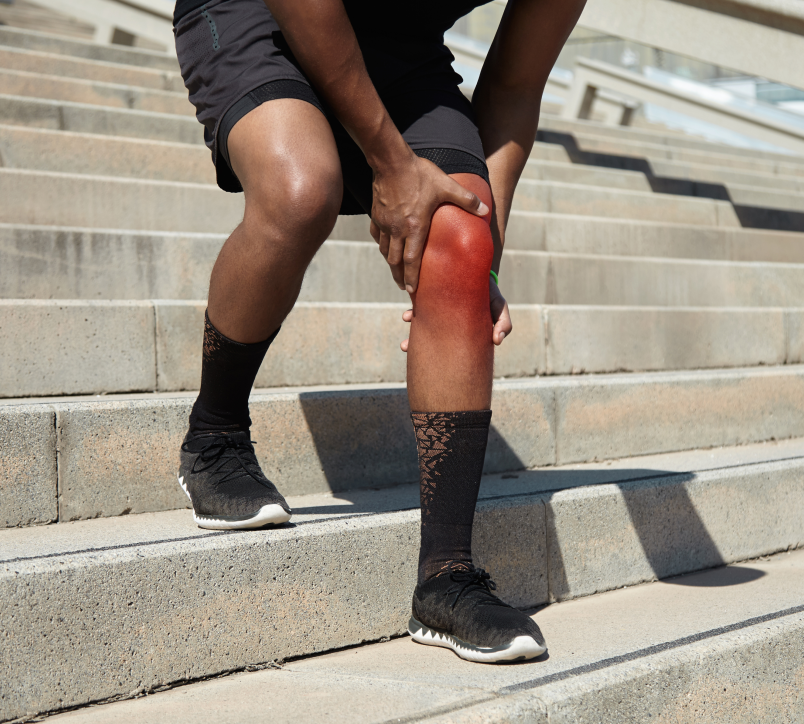
The knee joint is the largest in the human body and one of the most prone to injury. Knee pain may arise from problems in the bones, ligaments, tendons, cartilage, or menisci — all of which contribute to the joint’s strength and mobility. Common causes include ligament sprains, fractures, cartilage damage, meniscal tears, tendinopathies, and bursitis. Accurate assessment and targeted treatment help restore function, reduce pain, and prevent further injury.

Knee Joint is the largest joint in the human body and one of the most easily injured. The knee joint is a hinge type synovial joint, which mainly allows for flexion and extension (and a small degree of medial and lateral rotation).
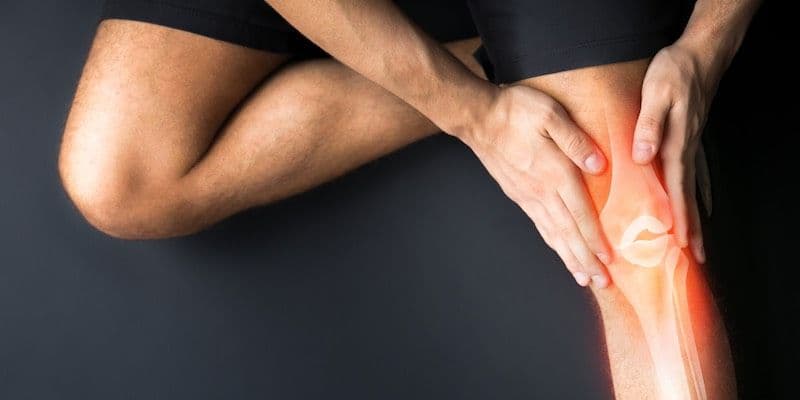
Knee joint pain can affect any of the bony structures that make up a knee joint, including the kneecap, as well as the ligaments, tendons, and cartilage of the knee. It can be caused by an injury or a medical condition, and it can be made worse by physical activity and fat.
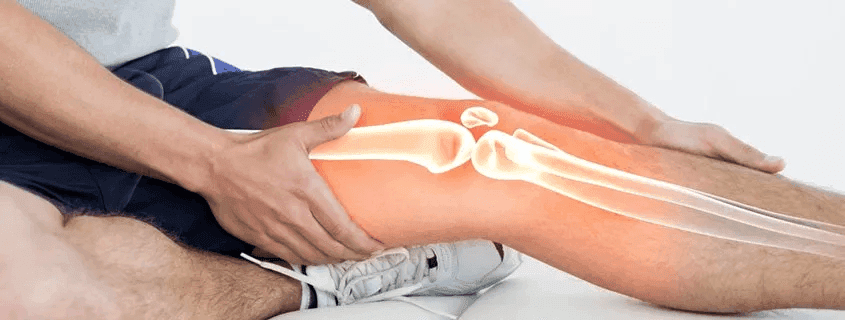
The knee contains three bones Femur, Tibia and Kneecap, two meniscus (medial and lateral) absorb shocks by increasing surface area to further dissipate forces, hyaline cartilage covering the bone surface, two tendons patellar tendon and quadricipital tendon and several ligaments with stability function. Its primary purpose, together with the ankles and hips, is to bend, straighten, and bear the weight of the body. Walking and a variety of other tasks are made difficult by knee pain.
The anterior cruciate ligament (ACL) located in the center of the knee controls rotation and forward movement of the tibia.
The posterior cruciate ligament (PCL) as well, located in the center of the knee controls rotation and posterior translation of the tibia.
The Medial collateral ligament (MCL) resist outward turning forces on the knee.
The Lateral collateral ligament (LCL) resist inward-turning forces on the knee.

Copyright © 2026 Health and Medical Services.